Tuesday, 10 February 2026

Spring season guidelines according to ayurveda (to cop up with nature changes)


Spring season guidelines according to ayurveda (to cop up with nature changes)

Spring season is best to detox body with winter fats and toxins as fat
It’s a kapha enhancer weather so we should do more yoga, kapha pacifying diet to overcome with the weather.so please follow some basic guidelines during spring season:

Spring is a perfect time of year for cleansing and weight reduction.

 Fruit fasting or Juice fasts with pomegranate or apple juice, and mono-diets are wonderfully supportive.
Try to use kapha pacifying bitter, astringent and pungent food like herbs (Turmeric,pippli,blackpepper,ginger,cinnamon) and food to cleanse our body. These habits help to balance mucus production, regulate moisture levels,  to open all the channels of elimination for purification. 
You can further support the process by drinking lukewarm, or hot beverages.
Try to  eat warm, light foods that  easy to digest like we can start our day with a light breakfast of fresh fruit or  herbs tea. 
Light Lunches and dinners  as cooked grains chapati, steamed vegetables, and Pulses are often perfect choices. we can  also get benefit from eating lots of bitter greens, seasonal vegetables, and spicy foods like green chilies, ginger. 
We can enhance our meals with the pungent flavor of onions, garlic, ginger, black pepper, chili pepper.
Try to create an inspiring and active morning routine for ourself, even if it’s short. Brush your teeth, scrape your tongue, apply a few drops of cows ghee  to your nasal passages, and drink some warm water first thing in the morning. You can also massage your skin with warm sesame oil , Mustard oil . and then rinse off  in a lukewarm water shower. If you don’t have time for an oil massage every day, consider light handed  dry rub before  bathe, rubbing  skin vigorously to stimulate heat, improved lymphatic circulation, fluid balance, and healthy, supple skin.
 Making time for exercise or yoga first thing in the morning will also help to promote clarity and improved energy this spring. Daytime napping is not recommended. Also have any steam bath once or twice in a week Also, it’s usually best to drink just enough fluid to stay hydrated  with regular times for working, eating, sleeping, and exercise.

Pranayama:
kapalbhati and bhastrika will bring a sense of lightness to the mind and are both very cleansing practices ,its perfect for the spring season. Close your yoga practice with a shorter shavasana with omkar chantings.

Herbs:
Every morning to boost our energy and  support our immune system. best to clear and rejuvenate the lungs, take ¼ teaspoon  of  pippli  mixed in honey twice a day. To support the liver, which is vital to detoxification, try taking  ¼ teaspoon of turmeric  with 2–4 tablespoons of aloevera juice. A tea  of triphala  taken at night helps to cleanse the body of toxins and supports healthy digestion. Enjoy spicy herbal teas and experiment with supportive spring combinations like lemon/ginger, coriander/cumin/fennel, or ginger/black pepper/pippali. After meals, a tea of ginger , black pepper, tulsi and cinnamon  improves digestive fire.
Fast tips to detox:
  • Use fresh  spring  seasonal  greens and  grains in  our daily diet.
  • Enjoy  fruit, juices rather than more-processed options .
  • Drink plenty of purified water. Consuming at least 2 litres a day will help flush out body  toxins.
  • Enjoy  Yoga and any exercises  on a regular basis.
  • Prefer foods that are warm, light and easy to digest.
  • Reduce or avoid red meat, refined and canned foods, salt, coffee, dairy products and alcohol.
enjoy with magic of spring season, perfect gift of nature with yoga ,diet and mentioned kitchen  herbs .


Monday, 30 June 2025

Rainy season food guidelines (ayurvedic method)

Ayurvedic Dietary Guidance for the Rainy Season


The monsoon season brings refreshing rains but also unique challenges for our well-being. According to Ayurveda, this period, known as *Varsha Ritu*, sees a natural increase in Vata (the air and space elements) and accumulation of Pitta (the fire and water elements) within the body. This delicate shift can contribute to sluggish digestion, a dampened appetite, and increased susceptibility to seasonal ailments. The water sources during this time are also considered heavier and harder to digest.


Supporting our health during the rains involves mindful adjustments to our diet and lifestyle, focusing on balancing Vata and Pitta while aiding our digestive fire (*Agni*). Here are key dietary recommendations inspired by Ayurvedic wisdom:


**Recommended Dietary Practices:**


1. **Prioritize Warmth & Digestibility:** Choose freshly prepared, warm, and light meals. Favor easily digestible grains like barley, rice, and wheat.

2. **Nourishing Staples:** Include cow's ghee (clarified butter), lentils, green gram (mung beans), rice, and wheat in your daily meals.

3. **Stimulate Digestion:** To counteract reduced appetite, consume a small piece of fresh ginger with a pinch of rock salt before each main meal. This helps kindle digestive fire.

4. **Flavorful Warm Soups:** Enjoy warm, sour, and lightly salted soups made from vegetables. Onion, lean meat, and seasonal vegetables are excellent additions.

5. **Adjust for Cooler Days:** On days that are significantly cooler due to heavy rainfall, incorporate foods with sour, salty, and oily qualities (using healthy fats like ghee) to help balance Vata.

6. **Hydrate Wisely:** Drink water that has been boiled and then cooled to room temperature. Adding a small amount of honey to this water is beneficial. Avoid excessive fluid intake, especially cold drinks, as this can further slow metabolism.

7. **Embrace Key Ingredients:** Regularly include ginger and green gram (mung beans) in your cooking for their digestive and balancing properties.

8. **Haritaki (Harad):** As mentioned in the classical text *Bhavaprakasha*, consuming Haritaki (*Terminalia chebula*) with rock salt during the monsoon season is considered highly beneficial for overall health.

9. **Subtle Immunity Boost:** Incorporate approximately one teaspoon of lemon juice daily into your diet – added to warm water, dal (lentil soup), or other cooked dishes – to support immunity. Avoid consuming it undiluted.


**Foods and Habits to Avoid:**


1. **Raw & Cold Foods:** Minimize or avoid uncooked foods, cold salads, and chilled beverages, as they dampen digestive fire.

2. **Stale & Unhygienic Food:** Strictly avoid leftover or stale food. Ensure all food is fresh, properly cooked, and prepared hygienically to prevent food-borne illnesses.

3. **Heavy & Hard-to-Digest Items:** Reduce consumption of curds (yogurt), red meat, and any foods known to be heavy or take a long time to digest. Buttermilk is a suitable, lighter alternative to curds.

4. **Excess Fluids:** As digestion is naturally slower, avoid drinking large quantities of fluids, particularly with meals.

5. **Leafy Vegetables:** It is generally advised to limit leafy greens during the peak monsoon due to higher risks of contamination and potential difficulty in digestion during this season.


Adopting these simple yet profound dietary adjustments during the rainy season can significantly support your digestive health, balance your doshas (Vata and Pitta), and enhance your natural resilience. By choosing warm, light, freshly prepared foods, stimulating digestion wisely, and avoiding dietary pitfalls, you can nurture your well-being and enjoy a healthier, more comfortable monsoon season.


For personalized guidance based on Ayurvedic principles, further information is available at [www.yogahealthcarecentre.com](http://www.yogahealthcarecentre.com). Wishing you a harmonious and healthy rainy season.

Friday, 8 December 2023

Winter care

During winters, the digestive fire is stroger  hence it is capable of digesting any food stuff irrespective of its heaviness and the quantity.
During winter, if proper quantity of food is not taken, it affects the quality of Rasa Dhatu (nutritious fluid generated as a product of digestion). It leads to Vata imbalance.
Therefore, during the winter one should take foods from these groups..
Oily , sour and sweet, fermented liquid prepared with ripened fruit  can  be consumed with honey. Desi  cow milk and its milk  products like ghee, paneer, curd, buttermilk .
Sugarcane and its juice products like Jaggery, jaggery powder and  
sesame oil, fresh rice and grains hot water.
With these kind of food products we should use these healthy habits to make yourself fit and healthy for  throughout  a year. 

·     Oil massage :    We should regular oil massage to body, palm massage, head massage to avoid dryness. Proper breathing practices with regular yoga practice to balance vata in this season for the  body detoxification.

·         Try to sit in Sunlight to get Warmth for the muscles and vitamin D absorption in our body  .

·         Try to include all the 6 kind of taste in your daily meal (Sweet, salty,sour,bitter,astringent, pungent)to improve your nutrition absorbation.{will let know details about this in the  next post}

·         We should have covered our body with warm clothes and blankets specially while sleeping to proper relaxation and detoxification  for our body and mind. Try to take at least 6-8 hour sleep compulsorily in winters but not more than this  as in winters don’t allow to sleep in the daytime.

·        One should avoid food and drink which are light and are prone to Vata vitiation (Dry foods). One should not expose himself to cold wave.
Eating less or skipping meals are not recommended.
Enjoy winters

Tuesday, 13 April 2021

How to absorb vitamin D effectively in easy ways.

How to absorb vitamin D effectively in easy ways.

Vitamin D is an oil soluble source in the body so here are some tips and tricks of easy absorption.

  1. Sunlight …Try to stay in Morning sunlight for at least 10 to 15 mins around 7 to 9 am . if possible please apply some coconut oil or any massage oil to your body during sunbath. You can do surya namaskar practice or sun prayers like this mantra. https://drmonikayoga.blogspot.com/2017/06/yoga-suryanamaskar.html. It makes you positive during sunbath . or you can do baal surya tratak with closed eyes gazing to sun for good results mentally as well as physically too.
  2.  Use Deshi ghee or filtered oil in your food compulsorily like if you are on oil free food.. please use 3 to 4 tsp ghee or filtered oil in your food.
  3. Don’t mix food with tea and coffee or with any coco milk. It obstruct the proper absorption of nutrient
  4. Try to use less processing in the meal like use their first or second form of food , try to avoid processed or ready to eat packed foods.
  5. Be physically active as in any activity you like for 3 to 4 hours in a week at least, it boost our absorption power of intestines and improves digestive juices quality.
  6. Use fresh vegetable salad in your lunch and dinner or if you like before meal.
  7. If you can manage to arrange home made oil pickle .. use a 1 or 2 gms of it in your regular meal because homemade pickles with any preservatives generally we make it with the help of sunlight(Sun charged) in our Indian homes. Yes it looks little odd but its healthy and tasty option to prevent vitamin d deficiency.
  8. Avoid bakery products as per your convenience .
  9. Use sun charged water and solar cooker to make food if possible.

Monday, 8 February 2021

Raisins


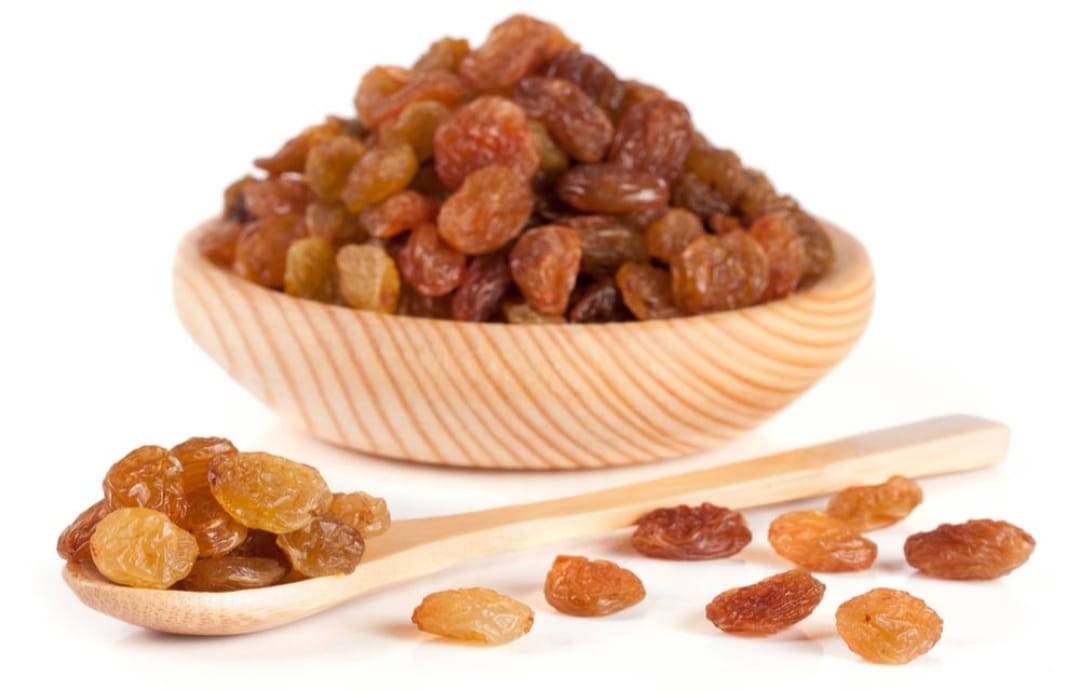
Raisins… dried grapes, sweet little sour but good in taste, Raisins are a form of Dry grapes. There are mainly two types of raisins, the black and the golden raisins (also called as Sultanas) which get their names from the color and quality of grapes- Black grapes and the green yellow grapes. There are also a  form of dried grapes called as Currants which are the dried form of small sized grapes. The raisins are the sweetest among all.

.Uses of Raisins:

10-12 raisins are soaked in water. After 2-3 hours have it with water.it improves digestion, hemoglobin and skin textures.

They can use for sweet tooth after every meal.

Ayurveda uses for Dosha :

Raisins are Pitta pacifying

They also help balance the vitiated Vata nature.

Benefits

Raisins can act spontaneously on excessive thirst, heat stroke and high Pitta problems like Natural coolant.

Dry grapes / raisin is useful in the treatment of excessive thirst, fever, respiratory problems, vomiting, gout, liver disorders, excessive burning sensation, dryness, emaciation.

Raisin calms the mind. Hence, it is a good idea to have some grapes when you feel tired and feel heat stroke (use raisin water), Helps in easy bowel movement

 Raisin is very good for eyes health and vision.

Raisins are also used in the treatment of intestinal disorders and help to regulate bowl movements.

Raisins also improve brain and nervous system health to make it more calm and cool. Works good in after alcoholic drinks .Specially for regular alcoholic habits and for sweet tooth.

Summery:

Health tip.: Raisins/ dry grapes (specially yellow) Helps in easy bowel movement and it's a natural coolant and very good for eyes It is useful in the treatment of excessive thirst, fever, respiratory problems, intestinal issues, vomiting, gout, liver disorders, excessive burning sensation, dryness, emaciation. Raisin calms the mind.

Use regularly 10-12 raisins are soaked in water.

For more details

@yogahealthcarecentre

8860583300

Monday, 1 February 2021

Amrood....Gauva


 Gauva is a super food,


Amrood or Gauva loaded with lots of taste, nutrition and healthy remedies.


The rich fiber fruit good for digestion, rice in vitamin C , vitamin A, vitamin C, folic acid, potassium, copper, and manganese. Furthermore, guava is a fair source of calcium, phosphorus, and iron.


Guava is one of the best and economical sources of vitamin C and it has four times the amount of vitamin C as an orange. Studies have also found that guava ranks third in vitamin C content than amla.


Guava is good for oral health like mouth ulcers, gum related problems, it keeps  tooth  and gum infections a  at bay. It includes Tannins, terpenoids, phenols, flavonoids and essential oils in guava inhibit the activity, growth and multiplication of Streptococcus mutan, a chief and pioneer micro-organism responsible for most of the dental infections. The bioactive substances in guava further enhance oral hygiene by reducing inflammation of the gums and presence of dental plaque. Guava prevents the adhesion of oral pathogenic bacteria to the tooth surface.


Guava is an excellent source of natural antioxidants; it fights oxidative stress and prevents deterioration of oral health and intestinal health .


Aids in weight-loss as it is high in roughage and rich in vitamins, proteins and minerals. It has no cholesterol and has a low number of digestible carbohydrates.


The high level of dietary fiber in guava helps to regulate the absorption of sugar by the body, which decreases the chances of major spikes and drops in insulin and glucose in the body.


Guavas are extremely good sources of vitamin-A, which is well known as a booster for vision health.


Guavas are a good source for copper, which is an important part of regulating thyroid metabolism by helping to control hormone production and absorption.


Guava is one of the richest sources of dietary fiber in terms of fruit. Its seeds, if ingested whole or chewed, serve as excellent laxatives. These two properties of guava help the formation of healthy bowel movements, and aid the body in retaining water and thoroughly cleaning your intestines and excretory system.


The presence of B3 and B6 vitamins in Guava can increase blood flow and stimulates cognitive function. B6 is a great nutrient for brain and nerve function. Therefore, eating guava can help you increase brain function and sharpen your mind to focus.


So if you have diabetes or any digestive issues , you can have 1 or 2 gauva daily mid morning and mid evening meal.. but not more than 2 at one time.


When to Avoid: it has laxative properties so avoid it in a loose motion, Irritable bowl syndrome. Over consumptions of Gauva cause bloating and gastric troubles. It is a high fiber food so whenever you are advised to avoid fibers, you should avoid it in inflammation.


So enjoy this delicious poor’s apple with loads of nutrition's and good food to reduce weight.


picture courtesy: india mart.com

Thursday, 28 January 2021

Ajwain or carom seeds:


Ajwain or carom seeds: 

Tiny little seeds are mandatory in each and every Indian kitchen and have a great importance in Indian cooking. These seeds have strong aroma to remove bloating and congestion. These seeds also provide flavor, fragrance and taste to food recipes and chapattis.

Ajwain also has volatile oil to help digestion but try to use it raw form or in low flame cooking or last stage of cooking.

According to Ayurveda, Ajwain seeds are Amanashak which remove toxin from intestines preserve inner wall of intestines and it reduces toxin formation in the digestive canal restricting indigestion and mal-absorption.

Ajwain seeds are rich in minerals, fiber, vitamins and have many anti oxidants. Ajwain is a potent antimicrobial (contains about 50% thymol), carminative, antispasmodic, diaphoretic, diuretic, and energizer.

They can be chewed raw, added to water or tea to extract maximum benefits from them.


Uses of Ajwain:

1.       Healthy Digestion and bloating :

·       take ¼ tsp ajwain seeds after every meal with lukewarm water,

·       You also can have ajwain tea as boil a cup of water mix ½ tsp ajwain with a pinch of Dry ginger.

·       For little kids give ajwain jaggery tea to release bloating like 1 or 2 tsp is sufficient.

·       During menstrual cycle have ajwain tea or just a pinch of ajwain with pinch of salt with Luke warm water.

·       Use ajwain seeds in fritters, pooris, batis and chapattis to make it more digestive.

2.       Female health:

·       It is mandatory for every post natal care women to have it regular for at least  for 3 month to improve her digestion as per Indian homes for restoration of uterus health .

·       Regular use of ajwain in food improves PMS symptoms and PCOD disorders. (a mixture of ajwain, saunf, kalongi, jeera,methidana in a equal quantity , grind it and have it empty remedy)

·       During menstrual cycle those who have scanty and painful periods it’s a good remedy.

.

3.       Ajwain for Cold and Flu

·       Ajwain seeds and jaggery kadha in congestion and hard winter a best remedy.

·       We can make a little potli of roasted ajwain with ½ tsp salt and place it around kids to give relief to blocked nose.

Elders can also use like natural inhaler.

·       For Asthma patients ajwain seeds aroma/steam is beneficial.

4.Mouth ulcers and bad breath:

·       Have ajwain seeds after food good for gums and mouth ulcers

·       It a best mouth wash and good for oral hygiene.


5.Hair health:


·       Ajwain seeds improve vata to avoid early grey hair, and promote healthy scalp and growth of hair.


6. Joint and bones health : It improve vyana vata, and shaleshmak kapha to improve joints health and swelling or infections.

You can also apply Ajwain paste to painful joint,  mix with honey or til oil.


7. Healthy heart: Ajwain seed regulates blood pressure and make arteries healthy. It makes lower triglycerides and cholesterol.(Research indicates that thymol -the significant component of carom seeds-may have calcium-channel-blocking effects and could help lower blood pressure levels).


8.  Weight Management:

Daily ajwain water gives high metabolic rate to burn extra fat and inflammation to the body. Within a week it shows result like remove 2-3 kgs quickly.


Other benefits:

Ajwain paste with mustard oil prevents mosquito bite scars from the skin. Increase healthy appetite and healing agent for whole body growth.

When to Avoid;

Avoid if you have hot potency body type or high pitta tendency. It has anti allergic factors  but try to take it not more than ½ tsp uses everyday because it has hot potency so no large quantity as a solo or with water or jiggery or mustard oil.

So use the ajwain seeds and enjoy your healthy meal with healthy body


Thursday, 21 January 2021

Asafoetida : Heeng (kitchen king)

 Asafoetida

Heeng is our ancient kitchen herb to make the food more digestive and aromatic taste. loaded with lots of health value like it pacify Vata and kapha It increases pitta, ignite our digestive fire to help in digestion .

It removes bloating, gastric issues like hinwastak churan very popular medicine of ayurveda to help digestion. Heeng  has a nature of deepmanya  that improve digestion powers. It is useful in asthma and other respiratory disorders, it has pungent taste herbs to improve vata. It has teekshna Guna to enter in deep tissues for effective results.

It is best use with frying with ghee in a little quantity specially substitute of garlic and onion. It gives taste good in legumes (daal) specially .

Ayurvedic uses of Hing:
Deepana means digestive
Pachana means toxin digestive
Sulaprasamana means alleviates intestinal spasm
Krimighna means vermifuge (anti parasites)
Anulomana means redirects and promotes the flow of the Apana vayu
Artavajanana means promotes the flow of the menses
Vedanasthapana means pain reducing.
Swasahara means herbs that are useful in breathing difficulties e.g. asthma, sinus, allergy problems.

how to use heeng for medicinal benefits:
• Make a small paste with warm water and apply on navel area to improve abdominal pain in children (bloating pain)
• Apply the paste on the chest to help in relieving cough, congestion.
• Nasal drops of saline water with heeng are helpful in treating colds and migraine.
• Wrap the roasted heeng powder in a cotton swab, helpful in tooth ache.
• fried heeng in ghee is helpful to improve digestion and increasing agni
• Heengwasthak churna is a classical ayurvedic formulation for digestive disorder regulating Apana vayu.


Enjoy your meal prepared with Hing. Experience the taste and feel the benefit.

Thursday, 21 May 2020

Pudina benefits (how to use mint as kitchen herb)

Pudina / Mint  is a beautiful  Ayurvedic herb that is  associated with freshness and taste , health . Good for digestive health as it pacifies all doshas especially pitta and treats respiratory disorders.It is so good for hypertension, acidity, anxiety, skin health and for boosting immunity. It includes vitamin A, essential B-complex vitamins, vitamin B and other minerals like calcium and potassium. It Pacifies Pitta and kapha.

  1. Digestion : Mint leave soothes the digestive tract and cleanses the stomach. Mint has the ability to relax the intestinal muscles and good indigestion and dyspepsia. Mint tea/water, a mixture of fresh mint leaves with lemon is a good home remedies for digestive health especially in summers.
  2. Skin Health :We can also use mint face pack with freshly grinded mint leaves mixed with rose water, apply it on affected parts and leave it overnight to get rid of acne. Similarly, a mixture of freshly made mint juice, fuller’s earth (multani mitti) and tomato juice treats pimples along with removing tan and other blemishes. It is useful for insect bites as a anti inflammatory. We can use mint water( put 5-7 leaves in water and use it) for good skin health too.
  3. Stress / Anxiety (Mood booster)
    Mint has a refreshing smell that calms your body and mind and relieving you from stress. Add drop of mint oil into your bath water or use mint extract on a vaporizer or can chew some fresh leaves . Drinking mint tea/water regularly would relax your muscles freeing you from stress and anxiety.
  4. Hypertension : Mint is a powerful herb that lowers high blood pressure. We can use 3-4 fresh mint leaves twice daily or include mint chutney/ mint infused water with lemon but without adding any salt in diet.
  5. Pains : Mint has the ability to relieve chronic pains related to arthritis and migraine. Inhaling the mint using a vaporizer and drinking mint decoction good for pain relief. We can use mint oil in coconut oil during summer season on the painful area.
  6. Immunity : Pudina has antibacterial and antioxidant properties that boosts the immune system to keep diseases . It also has considerable amount of vitamin A, essential B-complex vitamins, vitamin B and other minerals like calcium and potassium, which improves body’s strength and vitality. Regular consumption of, mint tea is recommended for boosting immunity.
  7. Oral health : Pudina improves oral health by reducing harmful bacterial growth in the mouth. It good for bad breath problem too.
  8. Respiration : Its good to use for steam inhalation, chest congetion and blocked noses.
  9. Uses of Mint: We can use it in water as soaking in drinking water (detox water), Use to gargle and rinse your mouth. Mint tea as 3-4 leaves boil it in water put some lemon drops and boil it in the morning. Mint face packs, Mint oil in vaporizer, chew them fresh or in Indian kitchen we use it in buttermilk, aloo subji and curries. It gives delicious flavour and health too.

So Use it daily as you like, you can also share new uses to us….


Thursday, 14 March 2019

How and why; correct fasting


Eating is important but not eating is also important as for remove toxins for best gift of mother nature (our beautiful body),like every religion suggest to do fasting once in a week or some special days like Ramjan, Ekadashi, Good friday etc.

How we can do fasting.
It is like promoting detox our body , many researches said about fasting that we should do once or twice in a week fasting to improve our brain function and metabolic disorders ,remove free radicals from blood and boost our immunity but during fasting you have to do proper rest and having water or some raw vegetables or fruits to help the system to detoxify with enema practice,wet packs too.

Who can do the fast?
Who they are determined to do, can do proper rest on that day. Please avoid pregnant ladies, lactating mothers or planning to conceive baby, Kids, underweight persons, undergoing any surgery recovery etc.

How we do fast:
We can do fast with fruits, vegetables if possible organic; we can do it on water or lemon water, single fruit. We can do once in a week or twice in a week or intermittent for fasting with self determination with positive approach.

Basic fasting pattern:
Intermittent like fasting any 14-16 hours of fasting on any time of the day as per your conveniences.
Water fasting, fruit fasting with many fruits or one fruit at a time,vegetables fasting, lemon water fasting,etc.
For more details you can contact your nearby naturopathy consultant .

What we should do during fasting:
Generally during fast we promote body to detoxify, please do proper rest  because body does regeneration or rejuvenation during sleep as our many studies said.  If you are busy on that day please avoid it that day. We should practice it with water, or what we choose for fasting methods. We should try to do enema to make it more effective, and have some cold or mud packs to abdominal area to make it more fasten.

Why it’s not for everyone; for those who is occupy with all time mental food thoughts ;). It’s all psychological  but it has to be self datermination not by forced..
 Please have healthy organic, fresh food when you break the fast. Slowly start the normal food under expert supervision to make intestines more healthy and comfortable.

Benefits of fasting:
  • ·        The most important benefit is to cleanse our vital body (Annamaya kosha) and make mental control (Manomaya kosha) over cravings.
  •      It helps to release extra fat from the body, revitalize the skin and organic body organs.
  • ·        Fasting make us free from free radicals from the blood: it’s good for cancer, and other degeneration diseases.
  • ·        We can remove all the side effects of medicines that we are taking or have taken earlier.

·        So we can improve our vital energy with fasting to make us healthy.
Now we have the basic fasting therapy to make balance of panchmahabhoot in our body to become healthy.
Happy and healthy fasting.


Thursday, 7 March 2019

Absorbtion of VitaminD and vitamin B12 naturally


How to improve absorbtion of Vitamin D and vitamin B 12 naturally.

Vitamin D is also called as sunshine vitamin. It is actually metabolically inactive, and undergoes transformation in kidney-liver; It is synthesized in presence of adequate sunlight in body. Its forms are Vit D2 & D3. It enhances absorption of calcium & phosphorus, stimulates mineralization of bones, and helps in normal growth. It deficiency results weak bones and problem like rickets (in children), osteomalacia, symptoms are fracture tendency, general weakness, pain in bone-muscle. It sources are from milk products, but mainly from morning sunlight.

Ayurvedic approach to Vitamin D deficiency: Ahara Vihara-Adequate exposure to morning sunlight for a weekly minimum of 45-60 minute; Surya Namaskar; & adequate intake of Vitamin rich Diets such as: Cow’s milk,Ghee,Yoghurt, Paneer, fishes and egg yolks;Mushroom/white Mushroom,& milk and in fortified dairy and grain products , one thing if you can use traditional pickle receipie with mustard oil but without vinegar or any chemical preservatives and exposed in sunlight very well during processing.,Vitamin D is known as the sunshine vitamin in that it is produced by the body in  response to skin being exposed to Morning Sunlight. One more thing we can also improves the absorption with magnesium uses as  in massage or having with water. It is also occurring naturally in a few food sources. Vitamin D is essential for strong bones, because it helps the body use calcium from the diet.
Vitamin B12 or Cyanocobalamin is a complex compound which helps in synthesis of DNA, fatty acid & myelin factor. Its deficiency results fatigue, weakness, tingling sensation in legs, memory loss,etc. It is commonly treated by supplementing with B12 capsules or in injected form. Normal nutrient source: Strictly speaking only animal source (meat, fish, egg…). Some references told about dal (pulses) and in fermented foods(some indian traditional reciepe need fermentation so they can be good sources of  this) etc. but its non-vegetarian food only which are direct source. So, the question, are all Vegetarians deficit of Vit B12 in lab reports? No, actually B12 is also synthesized with the help of bacteria. The milk products and the fermented products can be little source of B12.as we are taking too much of allopath antacid can also cause you vitamin b12 deficiency.
Your vitamin deficiency can be a side effect or over dosing effect of random medicine taken by self. Body has got its own self healing tendency, a physician is supposed to prescribe medicine just as supportive in healing
And it also have same importance  if your digestion is not good, can your body even absorb the popped up supplement or meet the repeated deficiency demand in long run. Please have self care first like have strong digestive fire ( Jatharagni )and healthy gut , that is a balanced diet-regimen for true healing not substitutes cap-tablet as initial medicine. Healing always comes in direct way not just short cut.

Wednesday, 23 January 2019

fitness challenge2019 by Yoga health care centre


https://youtu.be/BcL6a_q0cRs


Fitness challenge to get perfect health in winters too..Hi all, happy to announce  that we are planning to start a special program with the power of yoga in this winter season to reduce some extra kgs, while toning the body.
It's a 5 week program and will be conducted in a yogic way.
It will consist of some Pranayam practice, Diet regime , suryanamaskars with regular  weekly monitoring.
Here are the week 1 guidelines.. Please follow and enjoy the healthy way to reduce extra kilos. - Dr Monika Agrawal

www.yogahealthcarecentre.com
Facebook.com/yogahealthcarecentre
https://goo.gl/forms/NaXvjhbbPwyuWqIX2 (fitness challenge registration  form)
 You can join us for facebook group.
https://www.facebook.com/groups/yogahealthcarecentre/?source_id=112988508846602

Friday, 12 October 2018

How we can make interesting kids diet(Toddler diet ) with Indian spices.


How we can make interesting   kids diet(Toddler) with Indian spices.
 We all know that herbs and spices not only add flavour to food but also help build our baby’s immunity and keep them away from infections .
With all these  Herbs  our baby's food has other benefits  too. If you want our child to be open to different kind of  flavors, it is important to introduce the little one to a variety of preparations. (I know its tedious but let’s try)Which  way to do this to add a small amount of different spices to  baby's food every day?  everyone don’t want a fussy eater at home, providing a variety in taste as early as possible is a good idea.
However,   table salt should be avoided until the child turns one. This is because the sodium needs in infants are very less and breast milk provides them the adequate amount. That does not mean baby food should be bland and boring. We have so many natural flavoring agents in our traditional herbs and spices, which can take  baby’s food to a different level. 
Add only small amounts to make sure your baby takes it well. Too much spice could be harmful.  Each child may react in a different way to different ingredients. Some of these could be strong for some babies than for others. Be prepared, many  chances are that  baby may reject the flavored foods, the first few times. Don’t get disappointed and try out different preparations and combinations of ingredients. It will help you understand what suits  baby and help the little one accept the new taste faster. 
We can start with some  mild, aromatic herbs and spices for the baby. we can start with commonly used in indian home. we can introduce these once our baby starts solid food — at around 8–9 months and some herbs good to apply in their massage oil too. first check their allergy test please to get good and effective results.. Here is a list of herbs and spices we recommend to  add to  our baby's  different foods:
1.      Turmeric
2.      Carom seed
3.      Cumin seed
4.      Coriander seed
5.      Asafetida(hing)
6.      Garlic
7.      Ginger
8.      Black pepper
9.      Sesame seed
10.  Fenugreek
11.  Cinnamon
12.  Mint leaves
13.  Fennel seeds and others.


1.      Turmeric : It is most effective in Indian kitchen ,we can use turmeric from starting  for cold and cough, any infections. it works as a anti-inflammatory and antiseptic to his body and release toxins..give some warmness to his body. we can use it in a oils massage, a tiny  pinch in a milk ,honey. We use it for the color and flavor, as well as for its medicinal value.  the good old ritual to give turmeric milk as  a bedtime drink  for the child.

2.      Carom seeds /Ajwain : it is the most powerful medicine for gastric trouble for the baby, like as in seed water, Khichdi,  Daliya,Besan  Chilla, Paranthas and etc ..we should use it in pinch with Jaggery ,boil it with water and use  a pinch  of it. Roasted and powdered carom seeds can be added to baby food. It helps in the treatment of cold and cough, eases digestion and colic pain. One more thing we can use it as a vapor rub with its aroma for specially newborns ..(roast it make it a small packet and place it near baby’s nose..it  soothes his nose.)
3.      Cumin seed/Jeera: Cumin is commonly used in most Indian recipes, either as whole seeds in the tempering or in powdered form. This spice promotes digestion and reduces the risk of food-borne illnesses. Cumin has anti-microbial and antibiotic properties. Add a pinch of cumin powder to your baby’s porridge, dal or khichdi. It helps to promote appetite..use it in tadka with ghee in any vegetable curry  or  with curd, buttermilk, soup etc. It has good aromatic flavours to our food.
4.      Coriander seed or leaves/Dhaniya :  we can use coriander as the first leafy greens your baby tastes. Start by adding a teaspoonful of freshly chopped coriander into baby food; it works good and aromatic taste in almost each  dish. Fresh coriander is an appetite stimulant and prevents food poisoning. Its good blood purification as in powder form too.

5.      Asafetida(hing):  Hing or asafetida helps relieve stomach issues like colic in babies. A pinch of this wonderful  spice can do magical effects to baby’s tummy . It will give a unique flavor to the food and also help your child digest it better. Hing reduces flatulence and helps in the treatment of respiratory problems. We can also apply to baby’s navel to release colic pain mixing with water.

6.      Garlic: We can use finely chopped or grated garlic for tempering baby foods like khichdi and dal or curry. Garlic keeps the common cold away from our baby , boosts immunity and helps in getting rid of harmful intestinal worms. Garlic gives an aroma to the dish, Most of the babies enjoy after they get used to it. We can also use it as in massage oil to the chest and back to prevent cold in babies.
7.      Ginger:  Ginger has strong in  aroma and taste so try to use it in a very little quantity for the babies. It taste good in  chiladhoklakhichdi or pulses, grated ginger in it. Please try to use fresh ginger paste. It helps reduce flatulence or gas and associated stomach pain — a common issue in babies. Ginger also reduces nausea and motion sickness. It is also recommended to alleviate dry cough.
8.      Black pepper: A  tiny pinch of black pepper powder in every snacks like roasted potatoes  can improve the bland taste, without the need for salt. It helps improve overall digestion by producing more digestive juices  in the body. Ensure that pepper is added in a very little amount , it should not be hot (spicy) for your child.
9.      Sesame seed / Til : It is a rich source of calcium for their bones and overall health..we can grind it and use it in any preparations to make it more nutritious..however  grinding makes it  dull in  taste but use it little as it has hot potency..Good for urination, digestion and overall Growth.
10.  Fenugreek( methi) seeds or leaves  :  We  can  use  it in seasoning  baby’s food with the strong bitter fenugreek .Try to use it as a fresh or dry  leaves in parantha  etc ..any preparations without making it bitter or do one thing . Take a strainer, put fenugreek seeds in it and pour hot oil through it to flavor your child’s bowl of veggies. Fenugreek is good for your baby’s digestion and helps prevent infections. It also promotes hair growth and keeps stomach healthy.
11.  Cinnamon: Every  sweet preparation becomes complete with a pinch of cinnamon. It                is high in antioxidants, thus improving the immune system of your child. We can add the aromatic spice in powdered form to baked goodies(finger food)  like cupcakes , pancakes and cookies etc .

12.  Mint leaves/Pudina: Every curd or buttermilk has it compulsorily…to give good aroma and taste. we can use it fresh, or dry powder form in chutney for every snacks,paranthas,and curries. It boost immunity,digestion,appetite and interest(that’s important for mothers)in baby food.

13.  Fennel Seed/Saunf: fennel seed is used for colic babies to give them relax from colic pain, we can use it sweet preparations and milk. It good for digestion, nutrition absorbtion and gives a good aromatic taste. Specially we are using it in a milk for toddlers to make it interesting.
14.  Nutmeg, dry dates,tulsi,clove etc ..these are so strong and effective in digestion, making good taste ,helps to avoid common cough, cold and fever . Basically these have very  hot potency but by using them wisely we can make good immunity guard from the Indian kitchen.  
With all these ,  these are beautiful Indian herbs recepies are coomon  inheritance for every Indian mother which can be used in  baby’s food to make it more flavourful, healthy. Try to use it one at a time to introduce..them in baby food .they have innumerable health benefits. This also helps raise a happy, healthy, nourished child, who is open to trying out different foods…
Happy parenting,  Keep experimenting.
www.yogahealthcarecentre.com