Tuesday, 10 February 2026

Spring season guidelines according to ayurveda (to cop up with nature changes)


Spring season guidelines according to ayurveda (to cop up with nature changes)

Spring season is best to detox body with winter fats and toxins as fat
It’s a kapha enhancer weather so we should do more yoga, kapha pacifying diet to overcome with the weather.so please follow some basic guidelines during spring season:

Spring is a perfect time of year for cleansing and weight reduction.

 Fruit fasting or Juice fasts with pomegranate or apple juice, and mono-diets are wonderfully supportive.
Try to use kapha pacifying bitter, astringent and pungent food like herbs (Turmeric,pippli,blackpepper,ginger,cinnamon) and food to cleanse our body. These habits help to balance mucus production, regulate moisture levels,  to open all the channels of elimination for purification. 
You can further support the process by drinking lukewarm, or hot beverages.
Try to  eat warm, light foods that  easy to digest like we can start our day with a light breakfast of fresh fruit or  herbs tea. 
Light Lunches and dinners  as cooked grains chapati, steamed vegetables, and Pulses are often perfect choices. we can  also get benefit from eating lots of bitter greens, seasonal vegetables, and spicy foods like green chilies, ginger. 
We can enhance our meals with the pungent flavor of onions, garlic, ginger, black pepper, chili pepper.
Try to create an inspiring and active morning routine for ourself, even if it’s short. Brush your teeth, scrape your tongue, apply a few drops of cows ghee  to your nasal passages, and drink some warm water first thing in the morning. You can also massage your skin with warm sesame oil , Mustard oil . and then rinse off  in a lukewarm water shower. If you don’t have time for an oil massage every day, consider light handed  dry rub before  bathe, rubbing  skin vigorously to stimulate heat, improved lymphatic circulation, fluid balance, and healthy, supple skin.
 Making time for exercise or yoga first thing in the morning will also help to promote clarity and improved energy this spring. Daytime napping is not recommended. Also have any steam bath once or twice in a week Also, it’s usually best to drink just enough fluid to stay hydrated  with regular times for working, eating, sleeping, and exercise.

Pranayama:
kapalbhati and bhastrika will bring a sense of lightness to the mind and are both very cleansing practices ,its perfect for the spring season. Close your yoga practice with a shorter shavasana with omkar chantings.

Herbs:
Every morning to boost our energy and  support our immune system. best to clear and rejuvenate the lungs, take ¼ teaspoon  of  pippli  mixed in honey twice a day. To support the liver, which is vital to detoxification, try taking  ¼ teaspoon of turmeric  with 2–4 tablespoons of aloevera juice. A tea  of triphala  taken at night helps to cleanse the body of toxins and supports healthy digestion. Enjoy spicy herbal teas and experiment with supportive spring combinations like lemon/ginger, coriander/cumin/fennel, or ginger/black pepper/pippali. After meals, a tea of ginger , black pepper, tulsi and cinnamon  improves digestive fire.
Fast tips to detox:
  • Use fresh  spring  seasonal  greens and  grains in  our daily diet.
  • Enjoy  fruit, juices rather than more-processed options .
  • Drink plenty of purified water. Consuming at least 2 litres a day will help flush out body  toxins.
  • Enjoy  Yoga and any exercises  on a regular basis.
  • Prefer foods that are warm, light and easy to digest.
  • Reduce or avoid red meat, refined and canned foods, salt, coffee, dairy products and alcohol.
enjoy with magic of spring season, perfect gift of nature with yoga ,diet and mentioned kitchen  herbs .


Monday, 30 June 2025

Rainy season food guidelines (ayurvedic method)

Ayurvedic Dietary Guidance for the Rainy Season


The monsoon season brings refreshing rains but also unique challenges for our well-being. According to Ayurveda, this period, known as *Varsha Ritu*, sees a natural increase in Vata (the air and space elements) and accumulation of Pitta (the fire and water elements) within the body. This delicate shift can contribute to sluggish digestion, a dampened appetite, and increased susceptibility to seasonal ailments. The water sources during this time are also considered heavier and harder to digest.


Supporting our health during the rains involves mindful adjustments to our diet and lifestyle, focusing on balancing Vata and Pitta while aiding our digestive fire (*Agni*). Here are key dietary recommendations inspired by Ayurvedic wisdom:


**Recommended Dietary Practices:**


1. **Prioritize Warmth & Digestibility:** Choose freshly prepared, warm, and light meals. Favor easily digestible grains like barley, rice, and wheat.

2. **Nourishing Staples:** Include cow's ghee (clarified butter), lentils, green gram (mung beans), rice, and wheat in your daily meals.

3. **Stimulate Digestion:** To counteract reduced appetite, consume a small piece of fresh ginger with a pinch of rock salt before each main meal. This helps kindle digestive fire.

4. **Flavorful Warm Soups:** Enjoy warm, sour, and lightly salted soups made from vegetables. Onion, lean meat, and seasonal vegetables are excellent additions.

5. **Adjust for Cooler Days:** On days that are significantly cooler due to heavy rainfall, incorporate foods with sour, salty, and oily qualities (using healthy fats like ghee) to help balance Vata.

6. **Hydrate Wisely:** Drink water that has been boiled and then cooled to room temperature. Adding a small amount of honey to this water is beneficial. Avoid excessive fluid intake, especially cold drinks, as this can further slow metabolism.

7. **Embrace Key Ingredients:** Regularly include ginger and green gram (mung beans) in your cooking for their digestive and balancing properties.

8. **Haritaki (Harad):** As mentioned in the classical text *Bhavaprakasha*, consuming Haritaki (*Terminalia chebula*) with rock salt during the monsoon season is considered highly beneficial for overall health.

9. **Subtle Immunity Boost:** Incorporate approximately one teaspoon of lemon juice daily into your diet – added to warm water, dal (lentil soup), or other cooked dishes – to support immunity. Avoid consuming it undiluted.


**Foods and Habits to Avoid:**


1. **Raw & Cold Foods:** Minimize or avoid uncooked foods, cold salads, and chilled beverages, as they dampen digestive fire.

2. **Stale & Unhygienic Food:** Strictly avoid leftover or stale food. Ensure all food is fresh, properly cooked, and prepared hygienically to prevent food-borne illnesses.

3. **Heavy & Hard-to-Digest Items:** Reduce consumption of curds (yogurt), red meat, and any foods known to be heavy or take a long time to digest. Buttermilk is a suitable, lighter alternative to curds.

4. **Excess Fluids:** As digestion is naturally slower, avoid drinking large quantities of fluids, particularly with meals.

5. **Leafy Vegetables:** It is generally advised to limit leafy greens during the peak monsoon due to higher risks of contamination and potential difficulty in digestion during this season.


Adopting these simple yet profound dietary adjustments during the rainy season can significantly support your digestive health, balance your doshas (Vata and Pitta), and enhance your natural resilience. By choosing warm, light, freshly prepared foods, stimulating digestion wisely, and avoiding dietary pitfalls, you can nurture your well-being and enjoy a healthier, more comfortable monsoon season.


For personalized guidance based on Ayurvedic principles, further information is available at [www.yogahealthcarecentre.com](http://www.yogahealthcarecentre.com). Wishing you a harmonious and healthy rainy season.

Friday, 8 December 2023

Winter care

During winters, the digestive fire is stroger  hence it is capable of digesting any food stuff irrespective of its heaviness and the quantity.
During winter, if proper quantity of food is not taken, it affects the quality of Rasa Dhatu (nutritious fluid generated as a product of digestion). It leads to Vata imbalance.
Therefore, during the winter one should take foods from these groups..
Oily , sour and sweet, fermented liquid prepared with ripened fruit  can  be consumed with honey. Desi  cow milk and its milk  products like ghee, paneer, curd, buttermilk .
Sugarcane and its juice products like Jaggery, jaggery powder and  
sesame oil, fresh rice and grains hot water.
With these kind of food products we should use these healthy habits to make yourself fit and healthy for  throughout  a year. 

·     Oil massage :    We should regular oil massage to body, palm massage, head massage to avoid dryness. Proper breathing practices with regular yoga practice to balance vata in this season for the  body detoxification.

·         Try to sit in Sunlight to get Warmth for the muscles and vitamin D absorption in our body  .

·         Try to include all the 6 kind of taste in your daily meal (Sweet, salty,sour,bitter,astringent, pungent)to improve your nutrition absorbation.{will let know details about this in the  next post}

·         We should have covered our body with warm clothes and blankets specially while sleeping to proper relaxation and detoxification  for our body and mind. Try to take at least 6-8 hour sleep compulsorily in winters but not more than this  as in winters don’t allow to sleep in the daytime.

·        One should avoid food and drink which are light and are prone to Vata vitiation (Dry foods). One should not expose himself to cold wave.
Eating less or skipping meals are not recommended.
Enjoy winters

Tuesday, 13 April 2021

How to absorb vitamin D effectively in easy ways.

How to absorb vitamin D effectively in easy ways.

Vitamin D is an oil soluble source in the body so here are some tips and tricks of easy absorption.

  1. Sunlight …Try to stay in Morning sunlight for at least 10 to 15 mins around 7 to 9 am . if possible please apply some coconut oil or any massage oil to your body during sunbath. You can do surya namaskar practice or sun prayers like this mantra. https://drmonikayoga.blogspot.com/2017/06/yoga-suryanamaskar.html. It makes you positive during sunbath . or you can do baal surya tratak with closed eyes gazing to sun for good results mentally as well as physically too.
  2.  Use Deshi ghee or filtered oil in your food compulsorily like if you are on oil free food.. please use 3 to 4 tsp ghee or filtered oil in your food.
  3. Don’t mix food with tea and coffee or with any coco milk. It obstruct the proper absorption of nutrient
  4. Try to use less processing in the meal like use their first or second form of food , try to avoid processed or ready to eat packed foods.
  5. Be physically active as in any activity you like for 3 to 4 hours in a week at least, it boost our absorption power of intestines and improves digestive juices quality.
  6. Use fresh vegetable salad in your lunch and dinner or if you like before meal.
  7. If you can manage to arrange home made oil pickle .. use a 1 or 2 gms of it in your regular meal because homemade pickles with any preservatives generally we make it with the help of sunlight(Sun charged) in our Indian homes. Yes it looks little odd but its healthy and tasty option to prevent vitamin d deficiency.
  8. Avoid bakery products as per your convenience .
  9. Use sun charged water and solar cooker to make food if possible.

Monday, 8 February 2021

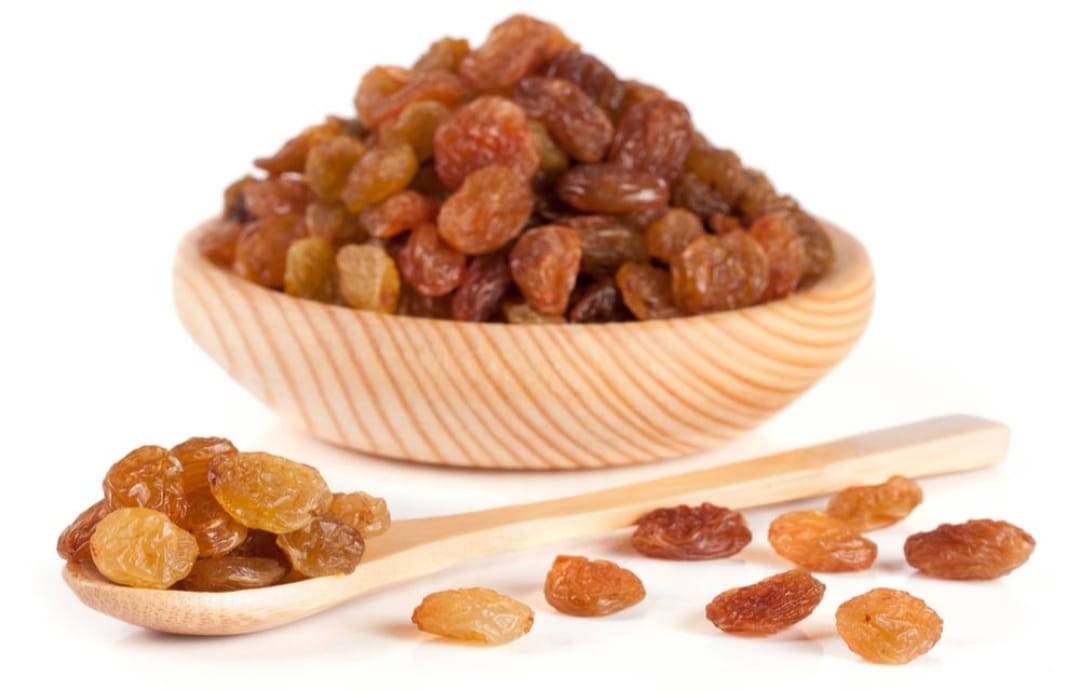
Raisins


Raisins… dried grapes, sweet little sour but good in taste, Raisins are a form of Dry grapes. There are mainly two types of raisins, the black and the golden raisins (also called as Sultanas) which get their names from the color and quality of grapes- Black grapes and the green yellow grapes. There are also a  form of dried grapes called as Currants which are the dried form of small sized grapes. The raisins are the sweetest among all.

.Uses of Raisins:

10-12 raisins are soaked in water. After 2-3 hours have it with water.it improves digestion, hemoglobin and skin textures.

They can use for sweet tooth after every meal.

Ayurveda uses for Dosha :

Raisins are Pitta pacifying

They also help balance the vitiated Vata nature.

Benefits

Raisins can act spontaneously on excessive thirst, heat stroke and high Pitta problems like Natural coolant.

Dry grapes / raisin is useful in the treatment of excessive thirst, fever, respiratory problems, vomiting, gout, liver disorders, excessive burning sensation, dryness, emaciation.

Raisin calms the mind. Hence, it is a good idea to have some grapes when you feel tired and feel heat stroke (use raisin water), Helps in easy bowel movement

 Raisin is very good for eyes health and vision.

Raisins are also used in the treatment of intestinal disorders and help to regulate bowl movements.

Raisins also improve brain and nervous system health to make it more calm and cool. Works good in after alcoholic drinks .Specially for regular alcoholic habits and for sweet tooth.

Summery:

Health tip.: Raisins/ dry grapes (specially yellow) Helps in easy bowel movement and it's a natural coolant and very good for eyes It is useful in the treatment of excessive thirst, fever, respiratory problems, intestinal issues, vomiting, gout, liver disorders, excessive burning sensation, dryness, emaciation. Raisin calms the mind.

Use regularly 10-12 raisins are soaked in water.

For more details

@yogahealthcarecentre

8860583300

Monday, 1 February 2021

Amrood....Gauva


 Gauva is a super food,


Amrood or Gauva loaded with lots of taste, nutrition and healthy remedies.


The rich fiber fruit good for digestion, rice in vitamin C , vitamin A, vitamin C, folic acid, potassium, copper, and manganese. Furthermore, guava is a fair source of calcium, phosphorus, and iron.


Guava is one of the best and economical sources of vitamin C and it has four times the amount of vitamin C as an orange. Studies have also found that guava ranks third in vitamin C content than amla.


Guava is good for oral health like mouth ulcers, gum related problems, it keeps  tooth  and gum infections a  at bay. It includes Tannins, terpenoids, phenols, flavonoids and essential oils in guava inhibit the activity, growth and multiplication of Streptococcus mutan, a chief and pioneer micro-organism responsible for most of the dental infections. The bioactive substances in guava further enhance oral hygiene by reducing inflammation of the gums and presence of dental plaque. Guava prevents the adhesion of oral pathogenic bacteria to the tooth surface.


Guava is an excellent source of natural antioxidants; it fights oxidative stress and prevents deterioration of oral health and intestinal health .


Aids in weight-loss as it is high in roughage and rich in vitamins, proteins and minerals. It has no cholesterol and has a low number of digestible carbohydrates.


The high level of dietary fiber in guava helps to regulate the absorption of sugar by the body, which decreases the chances of major spikes and drops in insulin and glucose in the body.


Guavas are extremely good sources of vitamin-A, which is well known as a booster for vision health.


Guavas are a good source for copper, which is an important part of regulating thyroid metabolism by helping to control hormone production and absorption.


Guava is one of the richest sources of dietary fiber in terms of fruit. Its seeds, if ingested whole or chewed, serve as excellent laxatives. These two properties of guava help the formation of healthy bowel movements, and aid the body in retaining water and thoroughly cleaning your intestines and excretory system.


The presence of B3 and B6 vitamins in Guava can increase blood flow and stimulates cognitive function. B6 is a great nutrient for brain and nerve function. Therefore, eating guava can help you increase brain function and sharpen your mind to focus.


So if you have diabetes or any digestive issues , you can have 1 or 2 gauva daily mid morning and mid evening meal.. but not more than 2 at one time.


When to Avoid: it has laxative properties so avoid it in a loose motion, Irritable bowl syndrome. Over consumptions of Gauva cause bloating and gastric troubles. It is a high fiber food so whenever you are advised to avoid fibers, you should avoid it in inflammation.


So enjoy this delicious poor’s apple with loads of nutrition's and good food to reduce weight.


picture courtesy: india mart.com